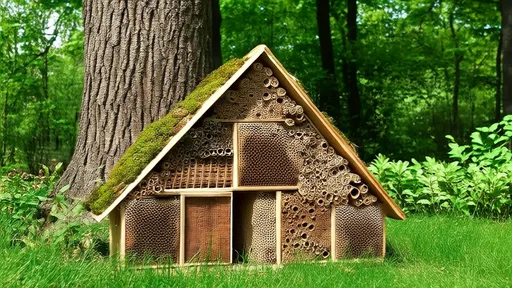
In the heart of bustling cities, where concrete often overshadows greenery, a quiet revolution is taking place. Insect hotels, also known as bug hotels or wildlife stacks, are emerging as tiny but powerful biodiversity stations. These structures, often resembling miniature wooden houses or stacked crates filled with natural materials, are designed to provide shelter for insects—creatures that play a vital role in urban ecosystems. Far from being mere decorative garden elements, they serve as critical refuges for pollinators, decomposers, and other small organisms struggling to survive in increasingly fragmented habitats.
The concept of insect hotels isn’t entirely new, but its adaptation to urban environments marks a significant shift in how cities approach biodiversity. Traditionally, these structures were associated with rural gardens or conservation areas. However, as urbanization accelerates and green spaces shrink, architects, ecologists, and community activists are reimagining them as essential infrastructure for city dwellers—both human and non-human. By offering nesting sites and overwintering spaces for solitary bees, ladybugs, lacewings, and even spiders, these tiny hotels bridge the gap between human development and ecological balance.
Why do cities need insect hotels? The answer lies in the alarming decline of insect populations worldwide. Studies have shown that habitat loss, pesticide use, and pollution have contributed to what scientists call the "insect apocalypse." In urban areas, the problem is exacerbated by the heat island effect and a lack of diverse flora. Insects, however, are the unsung heroes of ecosystems: they pollinate plants, decompose organic matter, and form the base of food chains. Without them, cities risk becoming sterile landscapes devoid of resilience. Insect hotels act as emergency rooms for these tiny but indispensable creatures.
What makes a successful insect hotel? It’s not just about stacking wood and calling it a day. The most effective designs mimic natural habitats, using materials like untreated timber, bamboo canes, pine cones, and drilled logs to create cavities of varying sizes. Each material attracts different species—hollow stems appeal to solitary bees, while loose bark provides hiding spots for beetles. Placement matters too; a south-facing location with some protection from wind and rain ensures maximum occupancy. Crucially, these hotels must be paired with native plants to provide food sources, turning them into full-service resorts rather than mere shelters.
The social impact of insect hotels is as fascinating as their ecological benefits. In neighborhoods where these structures have been installed, residents report a renewed connection to nature. Children watch in awe as bees move into their "rooms," and adults gain a deeper appreciation for the small life forms often overlooked in daily life. Community-built insect hotels have become tools for education, sparking conversations about biodiversity, sustainability, and humanity’s role in preserving it. Some cities have even incorporated them into urban planning policies, recognizing their potential to greenify public spaces while addressing insect decline.
Critics argue that insect hotels alone won’t solve the biodiversity crisis—and they’re right. These structures are just one piece of a much larger puzzle that includes reducing pesticide use, creating wildlife corridors, and restoring native vegetation. However, their symbolic value shouldn’t be underestimated. In a world where conservation often feels overwhelming, insect hotels offer tangible, grassroots action that anyone can participate in. They remind us that even the smallest creatures deserve a place in our cities, and that every hollow stem or stacked log contributes to a richer, more living urban world.
From London’s rooftop gardens to Tokyo’s pocket parks, insect hotels are popping up in unexpected places, each telling a story of adaptation and coexistence. As climate change reshapes urban landscapes, these tiny biodiversity stations may well become as essential as streetlights or benches—not just amenities, but vital infrastructure for the next generation of cities. The real check-in time for humanity? Now.

By /Jul 7, 2025

By /Jul 7, 2025

By /Jul 7, 2025

By /Jul 7, 2025

By /Jul 7, 2025

By /Jul 7, 2025

By /Jul 7, 2025

By /Jul 7, 2025
By /Jul 7, 2025

By /Jul 7, 2025
By /Jul 7, 2025

By /Jul 7, 2025
By /Jul 7, 2025
By /Jul 7, 2025

By /Jul 7, 2025
By /Jul 7, 2025
By /Jul 7, 2025
By /Jul 7, 2025
